- Home
- Common Mistakes
- Fix Oil Mistakes
How to Fix Oil Painting Mistakes
Oil painting is one of the most forgiving painting mediums. You can fix oil painting mistakes, which is good news for beginners.
In many cases, you can wipe off wet paint, scrape away thick areas, repaint a section, or let it dry and correct it later.
Their flexibility is one reason so many artists enjoy using oils. Me too, I learned to paint with oils and I still enjoy using them.
 You can fix it.
 You can fix it.
Oil Painting Mistakes Are Normal
On this page, you will learn how to fix oil painting mistakes, how to avoid making muddy colors, and when it is better to stop correcting and start fresh.
Every painter makes mistakes, especially while learning.
The good news is that oil paint stays workable longer than many other paints, so you usually have time to adjust what is not working.
Assess the Mistake and Prepare the Area
When you feel something need to be changed, step back and look at the painting from the distance.
First Identify the Problem
Ask yourself for example - is the mistake with color, drawing, or paint thickness? Not every mistake needs the same solution.
For example:
- a wrong color may need repainting or glazing,
- a bad shape may need wiping away and redrawing,
- too much paint may need scraping first.
Taking a moment to identify the actual problem often prevents making it worse.
Next Check the Paint
Look at the paint - is it wet, tacky, or dry?
If the paint is wet, you may be able to:
- wipe it off,
- lift some paint with a palette knife,
- remix and repaint the area right away.
If the paint is tacky, work carefully, so the new paint doesn't mix with the mistake you are painting over.
If the paint is completely dry, you can often:
- paint over it cleanly,
- scrape raised paint,
- sand lightly in some cases.
How Do You Remove Wet Oil Paint?
One of the biggest advantages of oil paint is that wet paint can often be removed.
You can remove wet oil paint by:
- wiping gently with a rag or paper towel,
- lifting thicker paint with a palette knife,
- using a small amount of solvent on a cloth or brush.
Wiping usually removes most of the paint, but not always every bit of color. That is usually okay, because you can repaint over the area.
How to Scrape Off Tacky or Dry Oil Paint
Scraping is helpful when:
- the paint is too thick,
- the texture is wrong,
- the shape needs to be changed,
- the area has become muddy and lumpy.
A palette knife can be used to lift or scrape paint from the surface. Work gently so you do not gouge the canvas or panel.
Can You Sand Dried Oil Paint?
Yes, sometimes. If the oil paint is completely dry, sanding can help:
- reduce ridges,
- smooth texture,
- level a built-up area before repainting.
Use a very gentle touch. Sanding is usually best for small corrections rather than major repairs.
Artist tip: Only sand paint that is truly dry, not just surface-dry.
How to Fix Oil Painting Mistakes
Can you paint over a mistake in oil paint? Yes, this is one of the easiest ways to fix oil painting mistakes.
Painting over a mistake works best when:
- the lower layer is dry enough,
- the new paint is opaque enough to cover.
If the paint below is still wet, your new color may mix into it and create a dirty result.
In that case, it's better to wipe the paint away first or let the area dry before repainting.
Beginner tip: If a correction keeps getting muddy, stop and let the area dry before trying again.
Can You Fix Part of a Painting?
Artists most often repaint only part of an oil painting. You do not need to repaint the entire artwork just because one part went wrong.
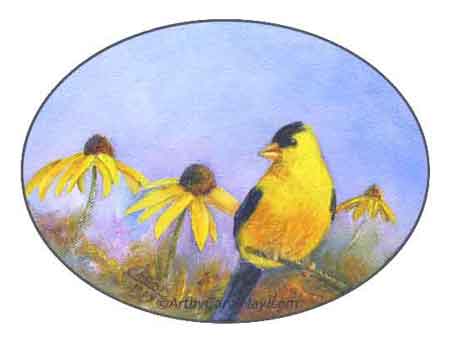 You may fix part of a painting.
To repaint one area:
- decide whether the paint is wet or dry,
- wipe or scrape excess paint if needed,
- mix a cleaner color,
- repaint the section while matching the surrounding values and edges.
This is a very normal part of oil painting. Many finished paintings go through several small revisions.
Can You Fix Oil Paint After It's Dry?
Yes. In fact, dry oil paint is often easier to correct than wet paint because fresh paint does not mix into the old layer as easily.
After oil paint dries, you can often:
- paint over the mistake,
- redraw the shape,
- glaze to shift the color,
- scrape thick areas,
- sand lightly if the surface allows it.
This is one reason oil painting is so forgiving for beginners.
Let's see how to correct some mistakes.
Fix Mistakes in Thickness, Mud, Colors, Values, and Edges
Let's look at a few specific problems.
What If You Put Too Much Paint?
Applying more paint will not always solve a problem, it may add to it.
If you put on too much paint:
- lift excess paint with a palette knife,
- wipe away part of the area,
- scrape it once the surface is tacky or dry,
- repaint with a cleaner, thinner layer.
Thick paint is not always wrong, but uncontrolled buildup can make corrections harder and tends to flatten details.
How Do You Fix Muddy Oil Paint?
Muddy oil paint usually looks dull, dirty, or over-mixed. It often happens because:
- too many colors were mixed together,
- the brush kept blending the same area,
- a fresh color was added into paint that was still too wet.
How to fix muddy oil paint:
- wipe or scrape off the muddy paint, if possible,
- let it dry if needed,
- remix clean colors on the palette,
- repaint with a few, confident strokes.
In many cases, muddy paint improves when you simplify the color mixtures and stop mixing with other colors already on the painting.
How to Correct the Wrong Color in Oil Painting
Wrong color is one of the most common problems in oil painting, and it is usually fixable.
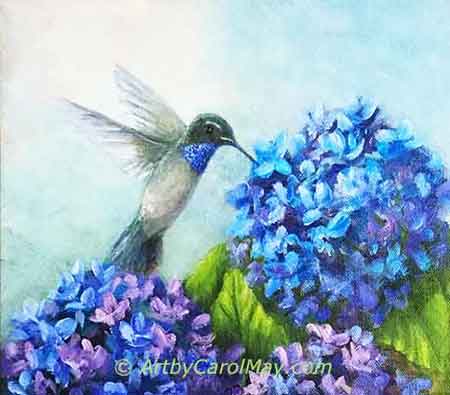 Oil colors are very fixable.
If the paint is wet:
- wipe off some of the color,
- remix a cleaner, more accurate color,
- repaint with as few strokes as possible.
If the paint is dry:
- repaint with the colors of opaque paint,
- glaze the area if only a color shift is needed.
Try not to over-mix the colors on the canvas. Repeatedly stirring wet paint into wet paint often creates muddy results.
How to Fix Oil Paint That Is
Too Dark or Too Light
If an area is too dark or too light, the problem is usually values instead of technique.
To fix it:
- compare the area to the values around it,
- remix a lighter or darker value,
- repaint the passage cleanly.
Sometimes a section only looks wrong because the surrounding values are off. Before correcting one spot, step back and check the whole painting.
Visit the Common Painting Mistakes page for more information on adjusting values.
How to Repair Harsh Edges or Bad Blending
Oil paint gives you a lot of control over edges.
If the paint is wet:
- soften an edge with a clean, dry brush,
- blend gently where two areas meet,
- stop before the color loses clarity.
If the paint is dry:
- repaint the edge more sharply or more softly,
- restate the forms with cleaner color.
Too much blending can make the painting look dead and muddy, so use just enough to improve the transition.
Is the Painting Overworked or the Canvas Damaged?
An oil painting may be overworked if it starts to look:
- muddy, dull,
- overly blended so it feels heavy,
- confused in color or shapes.
Other signs include:
- repeated corrections without improvement,
- loss of fresh brushwork,
- details becoming harder to read,
- constant repainting in the same area.
When this happens, step away from the painting for a while. Fresh eyes often reveal whether the area truly needs another correction.
What If the Canvas Surface Gets Damaged?
If you scrape too hard or repeatedly work the same spot, the canvas surface can become damaged.
Minor surface disturbance may still be paintable, but deeper gouges or torn areas are harder to repair.
For beginners, if the painting is only a practice piece, it may be better to start again rather than spend too much time rescuing a badly damaged surface.
The main lesson is simple: correct gently and use the least aggressive method that works.
When to Stop Fixing and Start Fresh
Sometimes the best decision is to begin again.
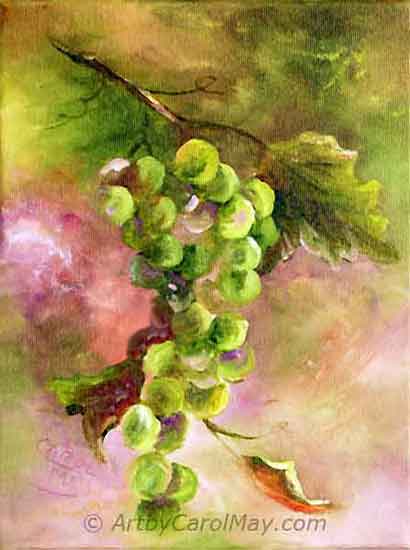 Look at your painting after a rest.
It may be time to restart if:
- the structure of the painting is fundamentally wrong,
- repeated corrections keep creating mud,
- the surface has become too thick or damaged,
- you no longer understand what the painting needs,
- frustration is leading to random changes.
Starting over is not failure.
It is often a faster and better learning experience than endlessly trying to rescue one study.
We just call it practice.
Quick Tips to Prevent Oil
Painting Mistakes Next Time
You cannot prevent every problem, but these habits can help:
- mix carefully on the palette before painting,
- use fewer strokes in each passage,
- step back often to check values and proportions,
- avoid over blending,
- let problem areas dry before repeated correction,
- remove bad paint early instead of covering it again and again.
Oil Painting Mistakes FAQ
How Can I Fix a Mistake in Oil Painting?
How Can I Fix a Mistake in Oil Painting?
First identify whether the paint is wet, tacky, or dry. Then choose the simplest fix: wipe, scrape, repaint, or let it dry and correct it later.
Can I Paint Over Mistakes in Oil Paint?
Can I Paint Over Mistakes in Oil Paint?
Yes - Oil paint is often easy to paint over, especially when the lower layer is dry or stable enough not to mix into the correction.
How Do I Remove Wet Oil Paint?
How Do I Remove Wet Oil Paint?
You can wipe it gently with a rag or paper towel, lift thicker paint with a palette knife, or use a small amount of solvent if needed.
Can I Scrape Off Oil Paint and Repaint?
Can I Scrape Off Oil Paint and Repaint?
Yes. Scraping is often useful for thick, muddy, or badly placed paint. Once the surface is stable (dry enough), you can repaint the area.
How Do I Fix Muddy Oil Paint?
How Do I Fix Muddy Oil Paint?
Wipe or scrape away the muddy section, if possible. Then let it dry if needed, and repaint using cleaner color mixtures and fewer strokes.
Can I Sand Dried Oil Paint?
Can I Sand Dried Oil Paint?
Yes, if the paint is fully dry. Sanding can smooth ridges or texture before repainting, but it should be done gently.
How Can I Repaint Part of an Oil Painting?
How Can I Repaint Part of an Oil Painting?
Remove or reduce the bad paint, if necessary, redraw the area, mix a cleaner color, and repaint only that section while matching the rest of the painting.
Can an Overworked Oil Painting Be Saved?
Can an Overworked Oil Painting Be Saved?
Sometimes - letting it dry and repainting selectively can help. But if the painting has become very muddy, thick, or confusing, starting over may be a better choice.
Painting Is Fun!
Most oil painting mistakes are fixable, which is one of the reasons oils are so beginner-friendly. If something looks wrong, pause, decide what kind of problem it is, and choose the best correction method.
With a little practice, you will get better at knowing when to wipe, scrape, or repaint, and when to leave an area alone.
Every correction teaches you more about color, value, edges, and paint handling, so even your mistakes are helping you become a stronger painter.
Paint and Enjoy!
More Useful Pages
Ideas for Painting: New Inspiration for Creative Art
Where do we get ideas for painting art? Get inspired by your environment, emotions, and fellow artists. Discover art in the everyday landscapes and beyond.
How to Start a Painting: What Do We Paint First?
Do you want to know how to start a painting? What do we paint first - the background, the main subject, do we start painting in the back, the front or where?
Improve Your Paintings: Create and Paint Your Own Art Style
Want to improve your paintings? Use a simple practice, plan stronger paintings, beat artist’s block, and discover your art style with these step-by-step guides.
Artists Block: Tips on How to Get Back to Painting
How to overcome an artists block. All artists can have blocks or delays, but we get over it. What is a painting art block? How do we get started painting again?


Recent Articles


-
Design Paintings
Sep 04, 26 12:00 PM
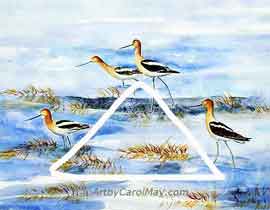 There are basic types of compositions in art paintings, symmetrical and asymmetrical. Most other compositions are variations of these two basic types. See paintings of the common types; S-curve, pyram…
 -
Good Compositon
Aug 27, 26 01:25 PM
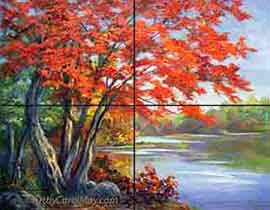 A good composition draws the viewers to our paintings. How do we make a good composition? When we are designing a painting a good rule is place the main subject (the focal point) left or right of the…
 -
Doing Oil Painting
Aug 09, 26 01:50 PM
 This how to do painting guide helps intermediate artists create a stunning artwork of a horse running in the surf. You will enjoy doing this step-by-step tutorial from the start to the finishing detai…