- Home
- Common Mistakes
- Watercolor Mistakes
How to Fix Watercolor Mistakes for Beginners
Learn how to fix watercolor mistakes step by step, when to leave an area alone, and how to avoid damaging the paper while correcting it.
When you are just starting out, a bloom appears where you don't want it, a wash dries streaky, or an area is much darker than you planned.
The good news is that many watercolor problems can be improved, especially when you pause first and choose the gentlest correction method.
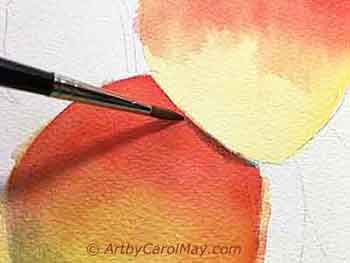 Watercolor mistakes are fixable.
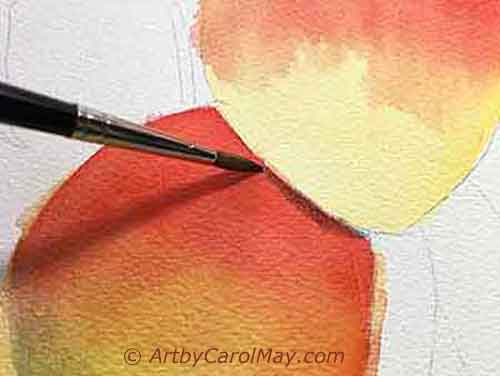 Watercolor mistakes are fixable.
Can We Fix Watercolor Mistakes?
Yes, we can - watercolor mistakes are normal and many of them are fixable. Mistakes are part of the learning process.
You can often lift color, soften edges, glaze over problem areas, or redesign a passage so the mistake is less noticeable.
How to Assess, Lift, or Paint Over a Watercolor Mistake
When something goes wrong, before touching the painting again, stop and look at the situation.
Ask yourself: is the paint wet or dry, and is the paper in good condition?
This matters a lot in watercolor. It can save both the painting and the paper.
You may be able to lift the mistake by removing some pigment from the paper. Lifting is one of the most useful ways to fix watercolor mistakes.
If the Paint Still Wet
When the paint is still wet is the easiest time to fix a mistake.
You may be able to lift some pigment from the paper:
- blot the extra moisture with a tissue or towel,
- lift the color with a clean, thirsty brush to soak up the paint,
- avoid rubbing which can spread the color farther.
You may also be able to:
- soften an edge,
- prevent a bloom from spreading further.
If the Paint Dry
There are more options when the paint is already dry:
- rewet the area carefully,
- blot extra water off the brush, so it is not dripping wet,
- gently stroke the area to lift the color,
- blot the area with a tissue or towel,
- repeat as needed.
You may also:
- you may glaze over the mistake,
- adjust nearby areas instead of removing the problem completely.
Why Is Some Watercolor Hard to Lift?
Some pigments stain the paper more than others. Staining colors are often harder to remove completely. In those cases, the goal may be improvement rather than full recovery to white paper.
Beginner tip:
Try lifting in a small test area first if you are unsure how your paper and paint will respond.
Is the Paper Strong Enough for Correction?
Not all watercolor paper handles correction equally well. Heavier, better-quality paper usually tolerates lifting and rewetting better than thin student paper.
If the paper begins to pill, rough up, or lose its surface, stop scrubbing right away. More correction can make the damage worse.
Can You Paint Over a Mistake?
Sometimes, we can paint over a mistake in watercolor. But watercolor is transparent, so the layer
underneath usually affects whatever you paint on top.
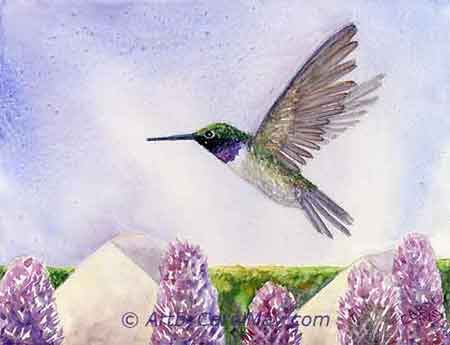 Some mistakes may be painted over.
Painting over a mistake works best when:
- The first layer is fully dry;
- The paper is still in good condition.
- The new layer is darker or strong enough to shift the color. For example, if a yellow area looks too bright, a gentle blue or neutral glaze may correct it.
- You are not trying to turn a very dark area into a very light one. For example, if a passage is dark, adding more transparent paint may only make it duller.
Beginner tip:
Let the area dry fully before painting over it. Then use one light glaze rather than several fussy passes.
Can You Improve the Mistake Instead of Removing It?
Sometimes the best fix is not complete removal. You may be able to:
- soften a hard edge,
- lighten an area slightly,
- darken nearby shapes to balance the painting,
- turn the mistake into part of the design.
That approach is often safer than repeated lifting.
Handling Water, Streaks, Blooms, and Cauliflowers
Sometimes we use too much water.
Too much water can cause: puddles, loss of control, weak color, blooms or backruns, soft shapes where you wanted sharp ones.
If the area is wet:
- tilt the paper so the water moves where you want,
- blot the excess moisture,
- use a thirsty brush to pick up standing water.
If the area has dried:
- rewet the area gently if the paper can handle it,
- glaze once the area is dry,
- reshape the area with surrounding details.
Water control takes practice, so this is a very normal issue for beginners.
How to Fix an Uneven, Streaky, or Blotchy Wash
Painting a wash takes a little practice, but you can do it!
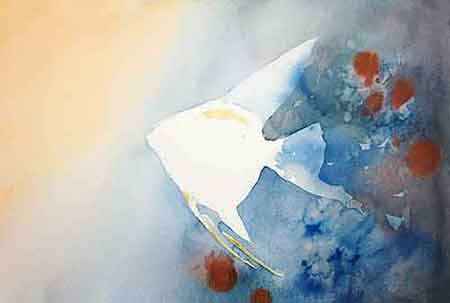 Paint a background on How to Paint Watercolor.
Uneven washes often happen when:
- there is not enough paint mixed before starting,
- the brush is too dry,
- the paper dries too quickly,
- the stroke pattern is inconsistent.
Possible fixes:
- rewet and unify the wash if the paper allows,
- glaze a more even wash over the top,
- break the area into smaller shapes, if a perfect flat wash is no longer possible.
If the wash is only slightly uneven, it may not need correcting at all. What looks obvious up close may disappear when you step back.
How to Fix Blooms, Backruns, and Cauliflower Effects
Blooms, backruns, and cauliflower effects happen when wetter paint flows into a damp area and pushes pigment outward.
If they are still wet:
- blot gently,
- soften the area with a clean damp brush,
- avoid adding more water unless you intend to rewet the whole shape.
If they are dry:
- glaze over them,
- lift gently, if possible,
- incorporate them into the texture if they suit the subject.
These effects are not always bad. In backgrounds, skies, and loose floral work, they can sometimes add interest.
Fixing Watercolor: Colors, Mud, Edges, Darks, and Highlights
How to Fix Wrong or Muddy Colors
Colors can't be completely changed, but we can adjust them.
A wrong color can sometimes be lifted, but often it is adjusted with glazing.
If the area is still wet:
- blot or lift right away.
If the area is dry:
- decide whether it needs removal or only color adjustment,
- glaze a suitable color over it,
- keep the glaze light and even.
Example:
- If something looks too warm, a cooler glaze may help.
- If a color is too bright, a muted glaze may quiet it down.
Be careful with opposites on the color wheel. Layering them repeatedly can create mud. The key to choosing warm and cool colors is their color bias.
How to Fix Muddy Watercolor
Muddy watercolor usually looks dull, dirty, or overworked.
 Colors may be adjusted in some cases.
It often happens because:
- too many pigments were mixed together,
- too many layers were added,
- the same area was brushed repeatedly,
- wet colors were disturbed too much.
To improve muddy watercolor:
- let the area dry completely,
- decide whether a light glaze with a cleaner color would help,
- simplify the surrounding shapes,
- stop correcting before the paper becomes damaged.
Sometimes the smartest fix is to leave that area alone and make cleaner, fresher marks elsewhere in the painting.
Beginner tip:
Muddy watercolor often gets worse when you keep trying to fix it.
How to Fix Watercolor Edges
A hard edge forms when a wet area dries with a sharp outline. Sometimes that is useful, but sometimes it looks too harsh.
To soften a hard edge before it's dry:
- use a clean damp brush,
- run it lightly along the edge,
- feather the color outward,
- blot your brush often so you do not flood the area.
Some dry edges can be softened by lifting, if the pigment lifts well.
How to Fix Watercolor That Is Too Dark
This is a common beginner problem.
If the paint is still damp:
- blot gently,
- lift with a clean damp brush,
- avoid scrubbing.
If the paint is dry:
- rewet lightly and lift,
- soften the dark area at its edges,
- glaze nearby areas to make the dark passage feel more balanced,
- accept a lighter correction rather than trying to force it back to pure white.
Often, your goal is not to erase the dark area completely. It is simply to make it less heavy - so it fits into the painting better.
How to Recover Highlights You Painted Over
In watercolor, the paper usually provides the lightest lights. That is why lost highlights feel so frustrating.
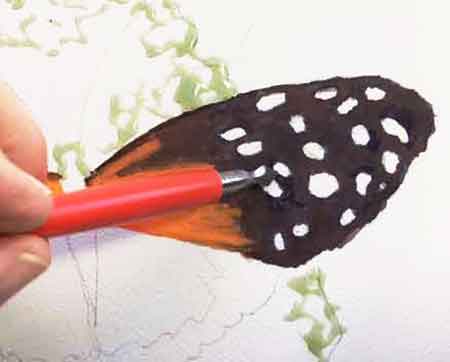 You may scratch off paint on Aquabord.
You may be able to recover them by:
- lifting carefully with a damp brush,
- using a small scrubber brush on tough areas,
- applying a touch of white gouache for tiny highlights.
Be realistic, though. If a staining pigment has sunk into the paper, you may not get back to the original white.
Beginner tip:
Aim for a believable highlight, not a perfect rescue.
Can You Use White Paint or Gouache to Cover Watercolor Mistakes?
Yes. Many watercolor artists use white gouache for:
- small highlights,
- tiny corrections,
- edge cleanup,
- sparkles in water, eyes, or reflective surfaces.
This is especially helpful for beginners. However, white gouache is opaquer than watercolor, so it changes the transparent look of that area.
It works best in small amounts, not for covering large muddy passages.
Overworking, Paper Damage and Starting Fresh
How can we tell if a watercolor painting is overworked?
The painting may be overworked if it looks:
- dull, chalky,
- muddy, lifeless,
- rubbed and tired rather than fresh.
Other signs include:
- repeated lifting and repainting,
- damaged paper surface,
- too many corrections in one area,
- loss of clear shapes and clean values.
When this happens, step back. Put the painting down for a while before making another change.
What to Do If the Paper Starts Pilling or Gets Damaged
Pilling means the paper surface begins to break down. You may notice:
- fuzzy fibers, rough spots, little paper rolls,
- or uneven absorbency.
If this happens:
- stop scrubbing immediately,
- let the paper dry,
- don't do any more lifting in that area,
- consider glazing lightly instead,
- start over if the damaged spot is too obvious.
Once the paper surface is damaged, more corrections usually make it worse.
When to Stop Fixing and Start Fresh
Sometimes restarting is the best choice.
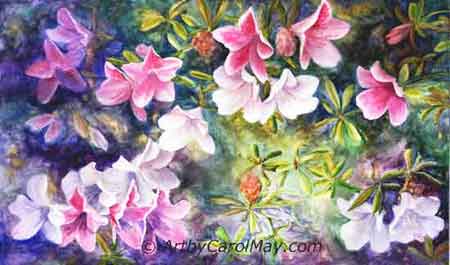 Finished watercolors are a pleasure.
It may be time to begin again if:
- the paper is damaged,
- the painting has become muddy overall,
- the composition is fundamentally wrong,
- every correction makes things worse,
- you feel frustrated and are guessing rather than painting.
Starting over is not failure. It is often the fastest way to learn. Many strong watercolor studies come after one or two unsuccessful attempts.
Quick Tips to Prevent Watercolor Mistakes Next Time
You cannot avoid every mistake, but you can reduce them.
Try these habits:
- test colors before placing them,
- mix enough paint before starting a wash,
- use good paper, if possible,
- let layers dry fully before glazing,
- stop before an area becomes overworked,
- step back often to judge the whole painting.
Watercolor Mistakes FAQ
How Do I Fix Watercolor Mistakes Without Ruining the Painting?
How Do I Fix Watercolor Mistakes Without Ruining the Painting?
Use the gentlest correction method first. Blot wet paint, lift carefully, glaze lightly, and avoid scrubbing the paper too much.
Can I Paint Over Watercolor Mistakes?
Can I Paint Over Watercolor Mistakes?
Yes, but because watercolor is transparent, the underlying layer usually shows through. Painting over works best on dry paper with controlled glazing.
How Do I Lift Watercolor Paint from the Paper?
How Do I Lift Watercolor Paint from the Paper?
Use a clean damp brush, soften the area gently, and blot away loosened pigment. Wet paint is easier to lift than dry paint.
How Can I Lighten Watercolor After It Is Dry?
How Can I Lighten Watercolor After It Is Dry?
You can sometimes rewet and lift the color, but results depend on the pigment and paper. In some cases, a partial lift is more realistic than complete removal.
How Can I Fix Muddy Watercolor?
How Can I Fix Muddy Watercolor?
Let it dry, stop reworking it, and consider a cleaner glaze or better balance in surrounding areas. Too much brushing usually makes mud worse.
Can
I Use White Paint to Cover Mistakes in Watercolor?
Can
I Use White Paint to Cover Mistakes in Watercolor?
Yes, white gouache can help with small highlights and corrections, though it creates an opaquer look than transparent watercolor.
What Can I Do If My Wash Dried Uneven?
What Can I Do If My Wash Dried Uneven?
You may be able to glaze over it, rewet and unify it, or redesign the area into smaller intentional shapes.
Can An Overworked Watercolor Painting Be Saved?
Can An Overworked Watercolor Painting Be Saved?
Sometimes, but not always. If the paper surface is still intact, gentle glazing or selective correction may help. If the paper is damaged, starting over may be the better option.
Painting Watercolor Is Very Rewarding
Watercolor mistakes can feel permanent in the moment, but many of them can be softened, lifted, glazed over, or simply worked into the painting. The key is to pause, choose the gentlest fix first, and avoid overworking the paper.
As you practice, you will get better at spotting which mistakes need correcting and which ones can be left alone.
Every mistake teaches you something about water control, timing, and color, so even the paintings that do not go as planned are helping you grow as a watercolor artist.
Enjoy and Keep Painting!
You Might Like These
How to Start a Painting: What Do We Paint First?
Do you want to know how to start a painting? What do we paint first - the background, the main subject, do we start painting in the back, the front or where?
Common Painting Mistakes | Composition, Focal Point, Values
How to fix common painting mistakes in any medium. The fixes for composition, focal point, value problems, plus links to watercolor and oil painting corrections.
Find Your Art Style: Your Art Style Is a Part of You
How do you find your art style? Can we do anything to speed up the process? Practical advice on finding and developing your personal painting style.
Artists Block: Tips on How to Get Back to Painting
How to overcome an artists block. All artists can have blocks or delays, but we get over it. What is a painting art block? How do we get started painting again?





Recent Articles


-
Design Paintings
Sep 04, 26 12:00 PM
 There are basic types of compositions in art paintings, symmetrical and asymmetrical. Most other compositions are variations of these two basic types. See paintings of the common types; S-curve, pyram…
 -
Good Compositon
Aug 27, 26 01:25 PM
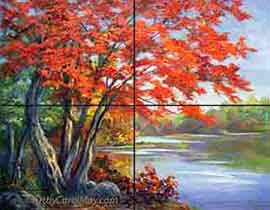 A good composition draws the viewers to our paintings. How do we make a good composition? When we are designing a painting a good rule is place the main subject (the focal point) left or right of the…
 -
Doing Oil Painting
Aug 09, 26 01:50 PM
 This how to do painting guide helps intermediate artists create a stunning artwork of a horse running in the surf. You will enjoy doing this step-by-step tutorial from the start to the finishing detai…