- Home
- Improve Paintings
- Plan a Painting
Creating Art: How to Plan a Painting
You want to know how to plan a painting?
Confidently use these steps to start any art painting. Use them for your own beautiful creations and also for painting the tutorials.
Painting adds joy and accomplishment to our lives. Regardless of our background or skill level, we all can all experience the joy of creating art.
 Get ready to paint.
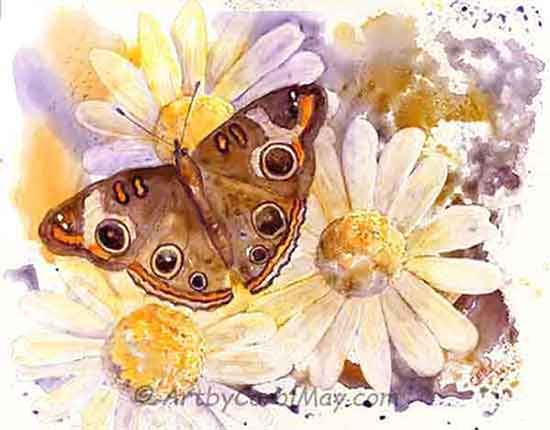 Get ready to paint.
How to Plan a Painting
Five things to get you ready to paint:
#1 Select Your Subject
A good thing to start painting is something we see in our environment.
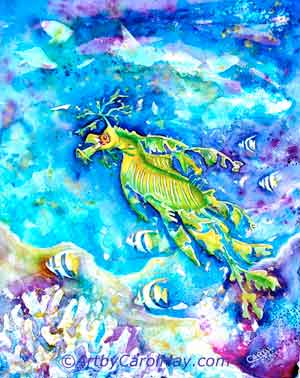 Paint what you love.
We do a better job of painting the things we know.
The best bet is to paint from life or use your own photos.
You may have photos you took on your vacation, a photo of your pets or flowers, etc.
When we don't have our own photos, be aware that pictures on a postcard, calendar or a magazine are under copyright laws.
Do not paint
them without giving credit to the photographer. Artist's paintings are also copyrighted.
We may go on line and find free images that have no copyright restrictions.
#2 Choose Your Color Scheme
Colors are one of the many joys of painting.
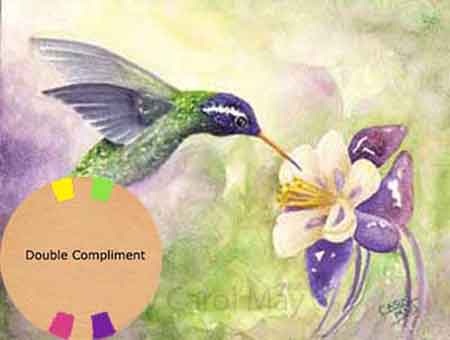 Color schemes create harmony.
A limited number of colors create color harmony.
A painting with a multitude of colors is disconcerting.
When there are too many colors, the viewer's eye doesn't know where to look.
So, it's a good idea to not use all the colors from our paint box in one painting.
There are so many beautiful colors, but two to five colors will create a harmonious painting.
We can mix many additional colors from only two to five colors.
Selecting a color scheme will give cohesiveness and punch to your paintings.
#3 Get Your Materials Ready
It's a good idea to keep a stock of supplies, so we can paint anytime.
We can begin painting with a minimum of supplies.
Start with the basic materials and add more later. All we need is paint, a palette, a few brushes and something to paint on.
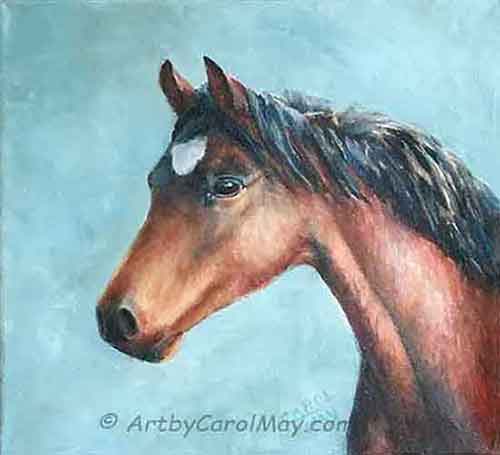 Get your paint and brushes.
What Are the Popular Art Paints?
What Are the Popular Art Paints?
There are 4 popular paints with differing qualities.
- Acrylics are quick drying.
- Oils offer a rich texture with longer drying times, ideal for blending and detailed color work.
- Alkyds combine the rich beauty of oils with fast drying times.
- Watercolors, known for their transparency, allow for intricate washes and subtle gradations.
Consider which medium aligns with your goals and interests. Each paint type has its own unique qualities, enabling you to develop a wide array of styles and techniques.
Do We Start with Student or Artist Paint?
Do We Start with Student or Artist Paint?
Artist paints cost more, but they actually save money in the long-run.
They cover better because they contain more color pigments. So, it takes less artist paint to get good, vibrant colors.
Student paints are less expensive because they have less color pigment. Winsor Newton student paints contain many color pigments and create good colors.
Their student paints are; Cotman oils, Winton watercolor, and Galeria acrylic.
What Do We Paint On?
What Do We Paint On?
Painting supports depend on the medium.
Oil and acrylic are normally painted on canvas or panels.
Stretched canvas is preferred, but students save money by painting on canvas boards.
Prepared hardboards such as Gessobord have a smooth surface which is great for doing detailed paintings and portraits.
Watercolor is most often painted on 140# watercolor paper that has been treated to keep the colors and water from sinking into the paper.
It may also be painted on canvas made especially for watercolor.
My favorite watercolor support is Aquabord, an archival hardboard.
What Brushes Do We Use?
What Brushes Do We Use?
The best way to start a painting is with large brushes.
We don't want to get bogged down in painting details in the beginning. Save the small brushes for small areas and details later.
Brushes are usually flat or round.
Flat brushes cover more area, make straight lines and edges. Round brushes depending on the size are used for large areas or small details.
Start painting on a budget with the recommended brushes for each medium.
What Size Will Your Painting Be?
When you are planning a painting, decide how much time you are going to spend painting.
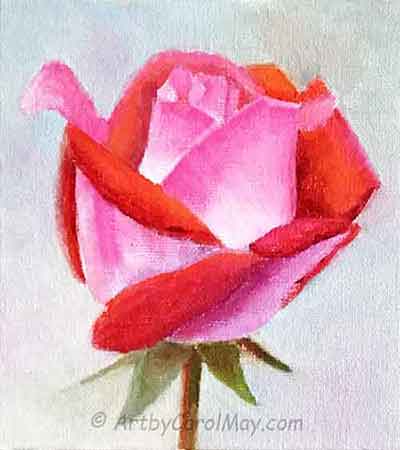 Small paintings are quick!
Small paintings are a good choice when your time is limited.
Painting smaller will still give us the satisfaction of a completed painting.
Large paintings often take several sessions before the painting is complete.
Sometimes they may take weeks or even months, depending on our time restraints.
Small things like hummingbirds or butterflies normally go into a small format.
If we will be including lots of things in the painting, it makes sense to use a larger format.
So, a landscape or seascape would usually be painted on a large surface.
#4 Draw Your Painting
The best way to plan a painting is with a drawing.
Do several small sketches about the size of a postcard.
Sketch the large shapes, their values and how they will be arranged. The painting will go much smoother, when they are planned out ahead of time.
If your painting includes a lot of detail, draw the subject to scale.
Pay close attention to the light and dark values. Good contrast in the values creates stunning paintings.
Drawings for Oil Paintings
Paint an outline of the composition on the canvas.
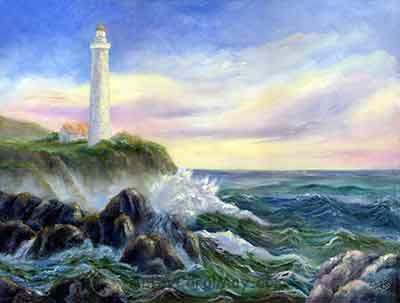 This drawing was done on the canvas.
Do the outline with thinned yellow paint.
If you don't like a line, rub it out with a rag or a paper towel and paint it again.
Pale yellow lines are easy to paint over and will not show through in the final painting.
If there will be a lot of detail in the painting, do the drawing on paper first and then transfer it to the canvas.
Graphite paper is best for transferring drawings.
Do not use carbon paper to transfer drawings. The carbon is hard to paint over and is likely to show through in the finished painting.
Watercolor Drawings
Do the drawing for a watercolor on a separate piece of paper.
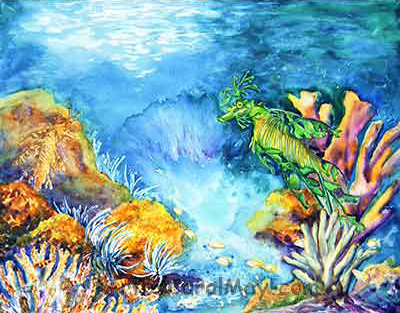 This drawing was done on paper first.
Transfer the drawing to your painting surface with graphite paper.
People who are good at drawing may lightly sketch the drawing directly on the painting surface.
Use a graphite pencil. A hard pencil is better to use, so there will not be extra graphite to show thru in the finished painting.
If any erasing is needed, do it very lightly.
Strong erasures on watercolor paper rough up the surface of the paper. Then the erased spot tends to absorb extra paint.
#5 Set the Time and Place
Artists progress rapidly when they paint regularly.
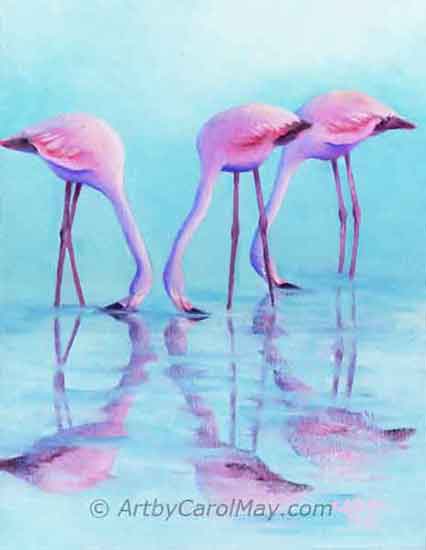 Express yourself with painting.
Set aside time to paint.
The best way to improve our painting skills is to make it a priority. Schedule a specified time to paint. And keep the appointment with yourself.
Have a special place for painting.
If it's possible, have an area where you can leave your paintings things out ready to start painting.
You'll be more likely to paint often when you have your own special painting space.
Good light and ventilation are a must in our painting area.
What supplies and furniture are good to have in our home art studio?
How to Plan a Painting with 5 Easy Steps
- Choose your subject.
- Select your color scheme.
- Get the materials ready.
- Start with a drawing.
- Pick and time and place.
Select a painting tutorial of your choice and start painting.
Are You Intrigued with Watercolor?
You can learn how to paint watercolor with this complete beginner's tutorial.
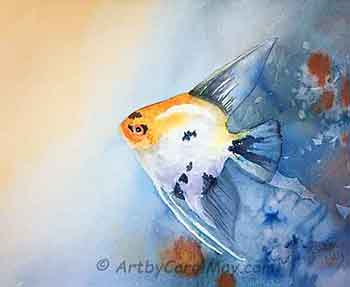 Start painting watercolor.
Use the techniques of painting watercolor, to create a beautiful angelfish.
You will:
- Paint light to dark.
- Learn to paint a wash.
- Paint wet into wet.
- Also, paint wet on dry.
It's the perfect tutorial to start painting watercolor one step at a time.
Are Classic Oil Paintings Calling You?
Are you eager to learn how to oil paint?
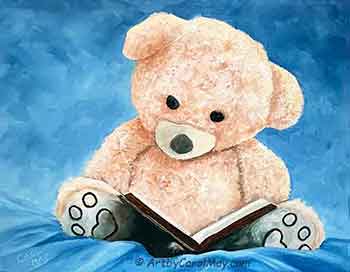 You can begin oil painting.
You can start oil painting with this comprehensive tutorial on oil painting.
Oil paint is easy to use and the same techniques may be used with acrylic and alkyds.
In this tutorial you'll find answers to frequent questions about oils and learn the rules of oil painting.
Then paint the teddy bear using the rules of dark to light and fat over lean. It's easy.
If you want more ways to improve your paintings, return to the main guide and choose the next step that fits your art journey.
Start Painting - It's Fun!
More About Painting
Common Painting Mistakes | Composition, Focal Point, Values
How to fix common painting mistakes in any medium. The fixes for composition, focal point, value problems, plus links to watercolor and oil painting corrections.
Find Your Art Style: Your Art Style Is a Part of You
How do you find your art style? Can we do anything to speed up the process? Practical advice on finding and developing your personal painting style.
Painting Daily Improves Your Art Skills
Can painting daily really make you a better artist? Regular painting will put your art into overdrive! You don’t have to paint perfect. Just paint more often.
Artists Block: Tips on How to Get Back to Painting
How to overcome an artists block. All artists can have blocks or delays, but we get over it. What is a painting art block? How do we get started painting again?

Recent Articles


-
Design Paintings
Sep 04, 26 12:00 PM
 There are basic types of compositions in art paintings, symmetrical and asymmetrical. Most other compositions are variations of these two basic types. See paintings of the common types; S-curve, pyram…
 -
Good Compositon
Aug 27, 26 01:25 PM
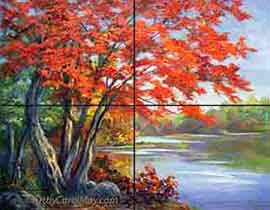 A good composition draws the viewers to our paintings. How do we make a good composition? When we are designing a painting a good rule is place the main subject (the focal point) left or right of the…
 -
Doing Oil Painting
Aug 09, 26 01:50 PM
 This how to do painting guide helps intermediate artists create a stunning artwork of a horse running in the surf. You will enjoy doing this step-by-step tutorial from the start to the finishing detai…