- Home
- Painting Tutorials
- Animals and Birds
Animal and Bird Tutorials (Oil + Watercolor)
Do you love painting animals and birds - but feel unsure where to start? On this page you’ll find my step-by-step Animal and Bird tutorials, organized so you can choose a project and start painting today.
If you’re brand new, start with one beginner-friendly project below and don’t worry about drawing perfectly. You’ll improve fastest by painting consistently - one small project at a time.
Quick links:
- New to painting? Begin here: Learn to Paint for Beginners
- Want to browse everything? All Painting Tutorials
- New to oils? Oil Painting for Beginners
- New to watercolor? Watercolor for Beginners
 The beauty of painting animals.
 The beauty of painting animals.
Start Here: Choose Your Project (30 seconds)
Pick the option that fits you today:
- I want the easiest first win: (Oil) How to Paint a Dog
- I want a project with fewer colors: (Oil) Painting a Limited Palette Goldfish
- I want a project to build my confidence: (Watercolor) How to Paint Watercolor Angelfish
- I want a bold watercolor animal: (Watercolor) Paint a Giraffe
- I want an animal with motion: (Oil) How to Do Oil Painting Horse and Surf
Animal Tutorials - Oil + Watercolor
These lessons include detailed instructions with the reasons behind the value choices, what colors to mix, edges, and composition.
Beautiful Nature Paintings Gallery & Art Ideas | Carol May
Beautiful nature paintings: sunsets to sea dragons. Journey through the nature art gallery of Carol May discover stories, inspiration and ideas for your own art.
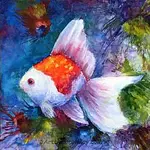
Painting with a Limited Palette: Master Color Harmony
Discover the art of painting with a limited palette. Tune in to color harmony & craft a fun, colorful, harmonious step-by-step painting with only 4 oil colors.
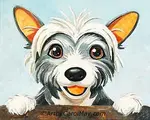
How to Paint a Dog: An Easy, Fun Painting on Canvas
How to paint a dog on canvas. A fun, easy dog painting in oils with professional techniques for oil painting in a step-by-step tutorial that uses only 3 colors.
Common Problems with Quick Fixes
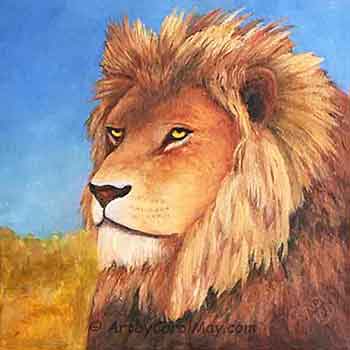 Paint the lion's mane with values.
Sometimes we can run into a situation, but they are all fixable.
My animal looks flat - Push value contrast between the light and dark shapes.
Start here: The one thing that makes paintings look ‘real’.
My fur/feathers look messy - Paint fewer, larger groups. Add detail only near the focal point.
My colors turned muddy - We get clean colors by mixing colors of the same color bias (warm or cool). Color bias: clean mixes vs mud
Quick Exercise
Before you paint: do a value study of light, medium, and dark.
- Sketch your biggest light, middle, and dark shapes (ignore the details).
- Decide where the focal point is (often the head or eye area).
- Make sure your strongest contrast supports the focal point.
This one small step makes your animal or bird look “real” much faster.
Look at the painting with your eyes squinted or eyelids lowered. Compare the 3 values with those on the value study.
 Look at your subject and do a study of the 3 main values.
 Squint your eyes to compare the study with the painting.
Bird Tutorials - Oil + Watercolor
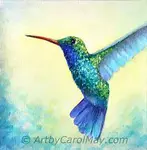
Paint a Hummingbird with Radiant Colors in Oils
Confidently learn how to paint a hummingbird with oil paints. Paint the beautiful iridescent colors of a male Broad-billed Hummingbird, a step-by-step tutorial.
Types of Hummingbirds in the United States
Identify 15 types of hummingbirds that visit the United States with photos, information and identification tips, Ruby throated Hummingbird, Black chinned, Annas
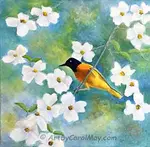
Oil Painting for Beginners: Step-by-step Tutorial
Start oil painting for beginners with an easy step-by-step tutorial. You can learn about oil paints and how to use them while painting a pretty Baltimore Oriole
3 Keys to Make Animals and Birds Look Real
Use these with any medium:
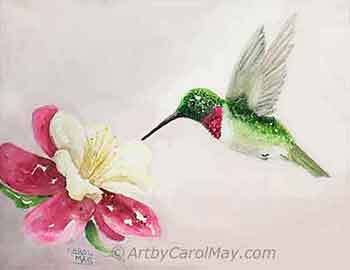 Hard edges on the hummingbird
vs. Soft edges on the flower
- Values (light, medium, dark)
If your subject looks flat, values are almost always the fix. Start here: Values (light and dark) - Edges (soft vs. sharp)
Keep sharper edges near the focal point (often eyes/beak) and softer edges elsewhere. - Color mixing (warm/cool neutrals)
Animals aren’t always just one color. Learn to mix richer neutrals here: How to Mix Colors
Frequently Asked Questions
What’s the Easiest Animal or Bird to Start with as a Beginner?
What’s the Easiest Animal or Bird to Start with as a Beginner?
If you want the simplest - first win, start with (Oil) How to Paint a Dog or (Watercolor) Watercolor for Beginners.
Do I Need to Draw Good to Paint Animals or Birds?
Do I Need to Draw Good to Paint Animals or Birds?
No. You can improve your drawing as you go. Just keep your drawing simple, strong values and clear shapes - they matter more than perfection.
How Do I Paint Fur or Feathers
How Do I Paint Fur or Feathers
There is no need to paint every hair or feather.
Paint groups first - the big shapes, then add a little detail only where you want attention, usually near the head, eye or the focal area.
Should I Start with Oil or Watercolor?
Should I Start with Oil or Watercolor?
Either. If you like adjusting and refining as you go, oils are forgiving. If you want luminous color, watercolor is wonderful.
Both are good for beginners - start with a beginner tutorial and build from there.
What Are the Recommended Supplies?
What Are the Recommended Supplies?
- Oil painters: Oil Painting Supplies
- Watercolor painters: Watercolor Art Supplies
- Studio setup basics: Home Art Studio
Jump into the Joy of Painting Art!
Choose one tutorial above and schedule a time this week to paint it. You'll be amazed what you can do one step at a time.
Recent Articles


-
Paint a Fun Dog
Oct 02, 26 12:00 PM
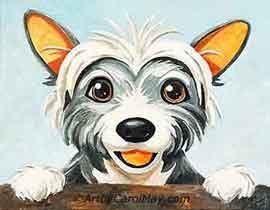 It's easy to paint this fun dog on canvas. This is a great way for beginners to start using oil paint. Follow the easy steps that use only three colors to paint this puppy dog. You can learn and use p…
 -
The Big Three
Sep 18, 26 12:00 PM
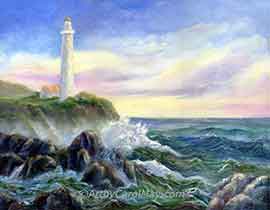 You can create good art using the big three painting fundamentals. Learn how to paint good art with good composition including a focal point, values and color choices. Use these three important fundam…
 -
Design Paintings
Sep 04, 26 12:00 PM
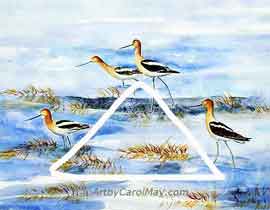 There are basic types of compositions in art paintings, symmetrical and asymmetrical. Most other compositions are variations of these two basic types. See paintings of the common types; S-curve, pyram…